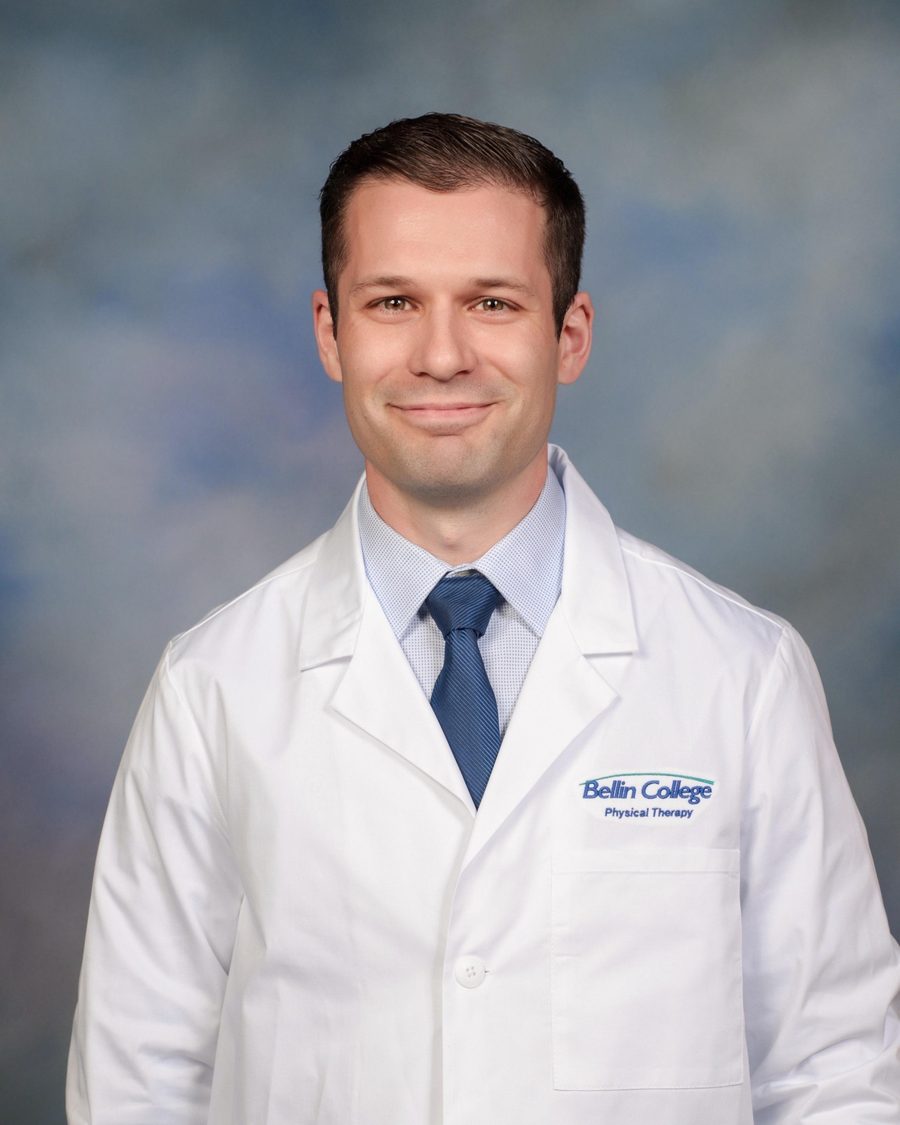
Why I Built This Site
I have a strong interest in what makes the human body go far. Ultrarunning has grown quickly, and the research on how athletes cope with pain and stay resilient has not kept pace with it. I reviewed the published evidence on those topics, from how the brain produces pain to where persistence turns into a problem.
A paper is a hard thing for most people to find and use. This site breaks that work into plain language for the athletes, coaches, and clinicians who can put it to work, and it gives me a place to keep adding new research as it comes out.
Where I'm Coming From
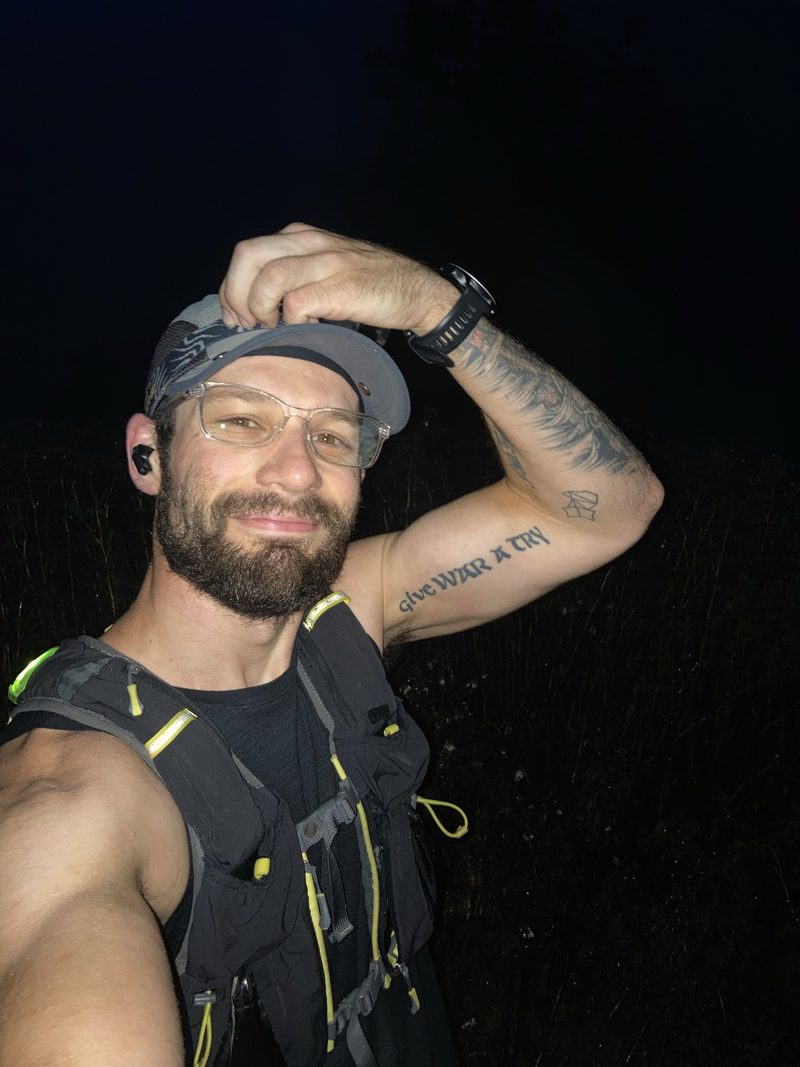
I came to this subject from three directions: the Army, ultrarunning, and my education in human biology and physical therapy. I'm an Army Infantry Veteran, I've been running since 2019 and racing ultramarathons since, and I'm graduating with my Doctor of Physical Therapy degree in May 2027.
Each of those puts people in situations where discomfort is constant and decisions still have to be made. That is the situation the research on this site is about, and it shapes the questions I ask of it.
Military Service
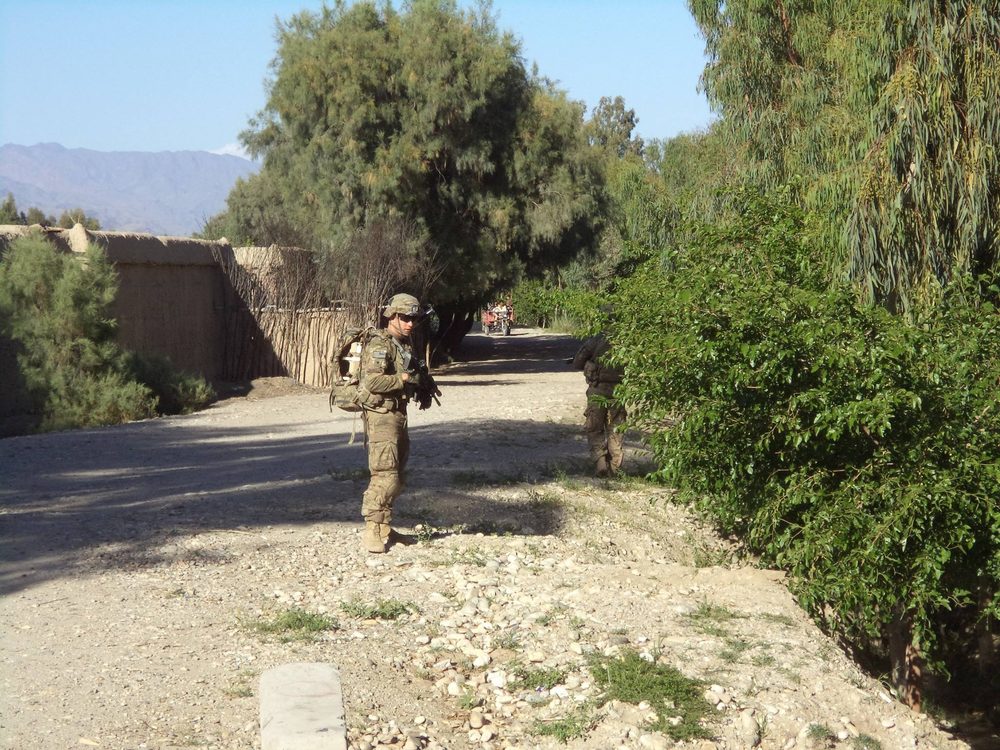
I served four years on active duty as an infantryman with the 101st Airborne Division at Fort Campbell, Kentucky, in the 2nd Brigade Combat Team, 1st Battalion, 502nd Infantry Regiment. My service included a combat deployment to Afghanistan during OEF 14 and the training that comes with life in an infantry unit.
Education
I earned my bachelor's degree in Human Biology with an Exercise Physiology emphasis at the University of Wisconsin-Green Bay. I'm now graduating with my Doctor of Physical Therapy degree in May 2027 at Bellin College, a rigorous program, with graduation planned for May 2027.
After that, I plan to pursue an orthopedic residency and the Orthopedic Clinical Specialist (OCS) credential. I want to keep pushing myself to learn more, and that training will go straight into the work I share here.
My Running History
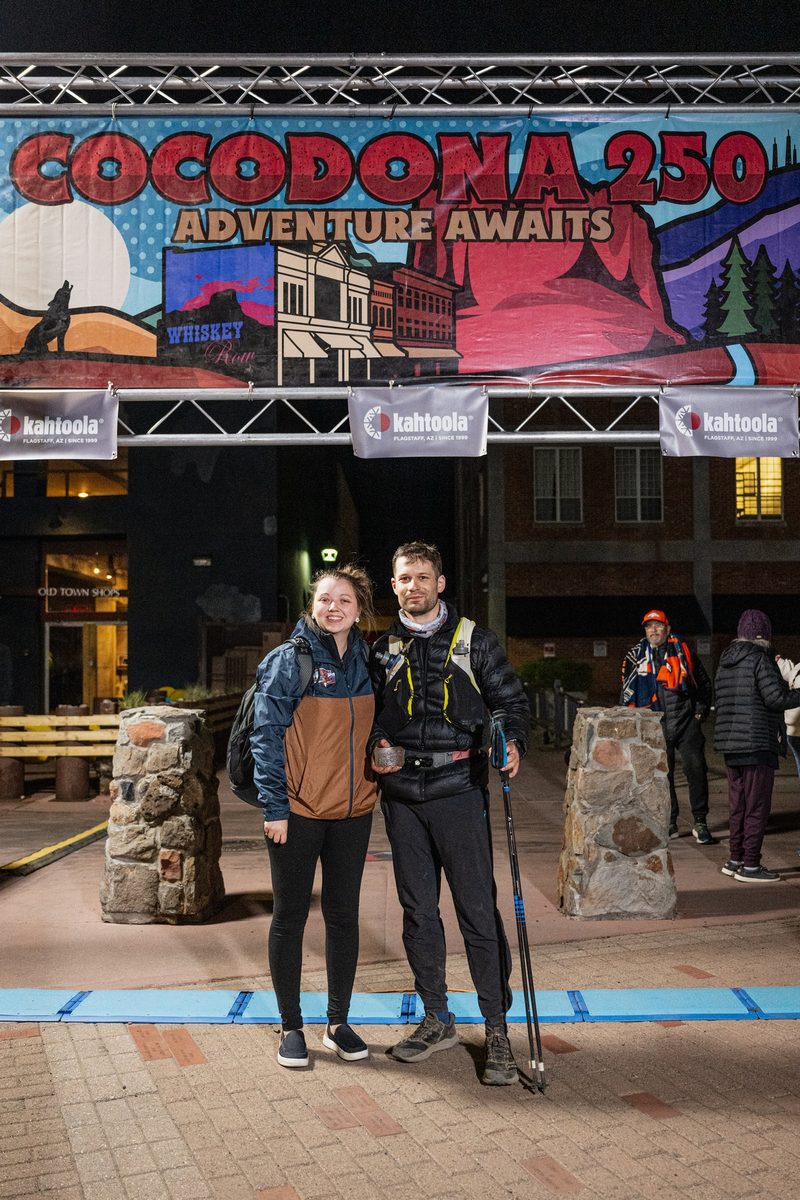
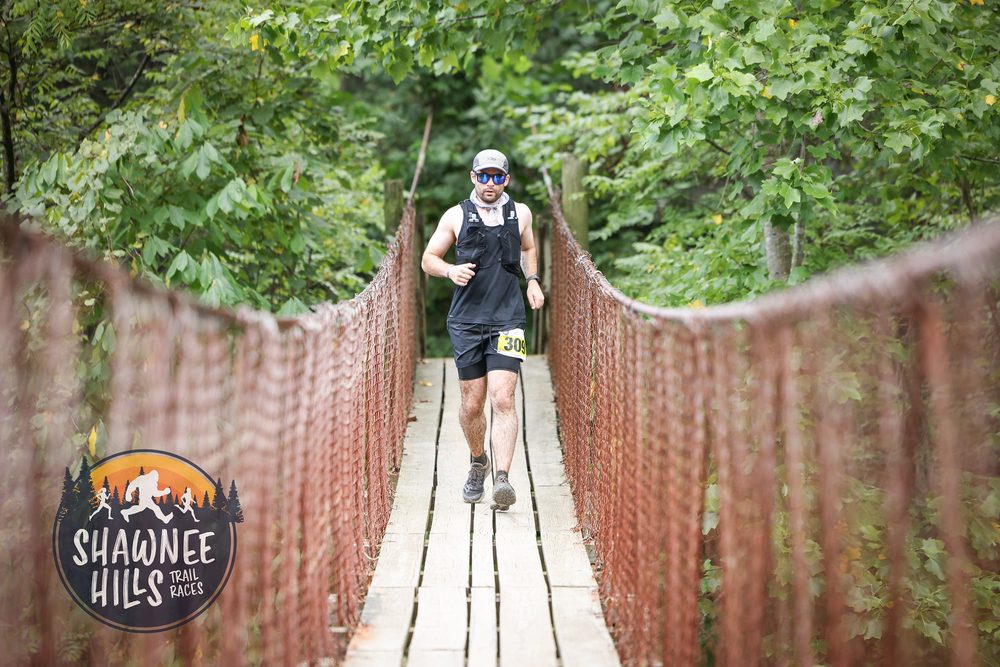
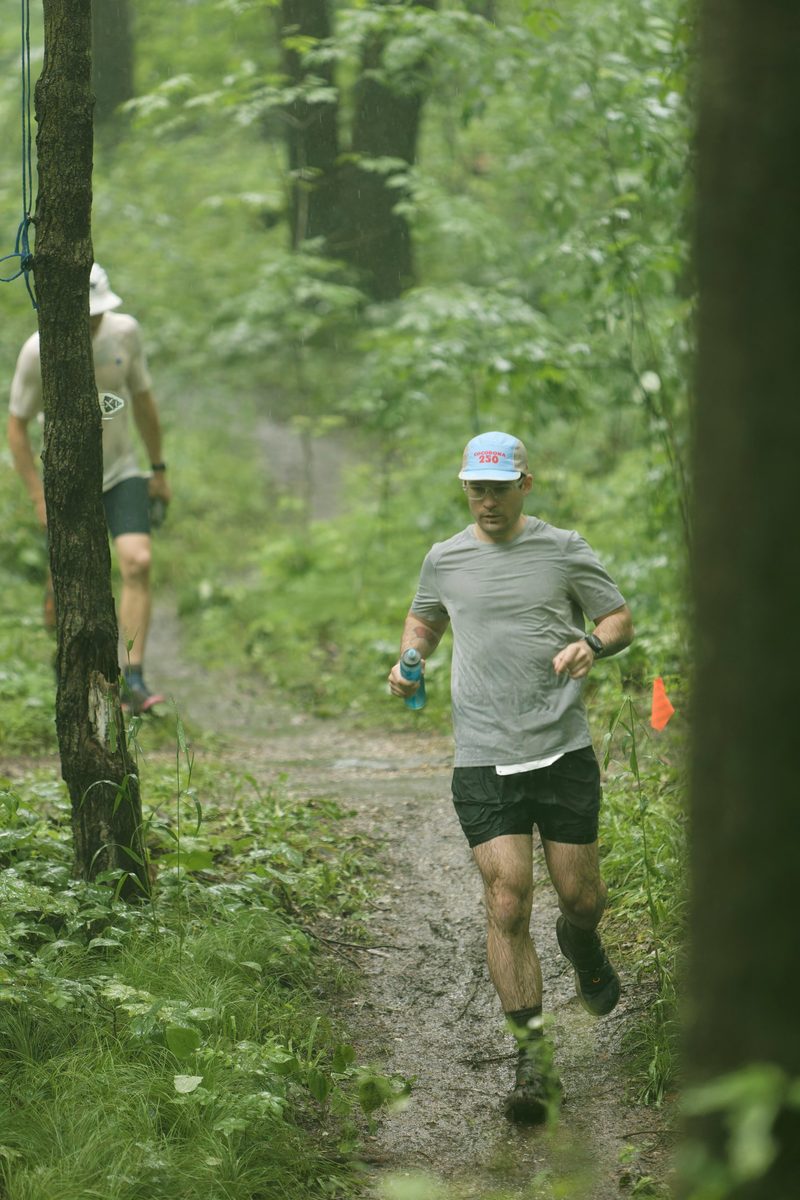
I started running in 2019 and have kept going ever since. My results on UltraSignup begin in 2022, and the distances have grown from there, with 100-mile finishes at Shawnee Hills and Kettle Moraine, a 24-hour timed run, and the Cocodona 250 in 2024, which took me a little over 115 hours. I'm heading back to the Cocodona 250 in May 2027.
Racing is where a lot of the questions on this site came from. Long events put pain, fatigue, doubt, and decision making in front of you for hours at a time, and that gave me a close look at the same topics the research covers.
Selected Results
| Year | Race | Distance | Result |
|---|---|---|---|
| 2022 | Dawn to Dusk Endurance Run | 15.5 hours | 66 miles, 2nd overall |
| 2022 | Shawnee Hills Trail Races | 100 miles | 29:49:45, 3rd overall |
| 2023 | Frigid Fox Ultra Trek | 63 miles | 15:17:08, 6th overall |
| 2023 | Kettle Moraine | 100 miles | 26:31:20 |
| 2023 | Shawnee Hills Trail Races | 100K | 18:06:38, 8th overall |
| 2024 | Cocodona 250 | 250 miles | 115:12:59 |
| 2025 | Dawn to Dusk Endurance Run | 24 hours | 84.4 miles, 2nd overall |
| 2026 | Door County Fall 50 | 50 miles | 8:56:03 |
| 2027 | Cocodona 250 | 250 miles | Upcoming, May 2027 |
Full results are on UltraSignup.
What You'll Find Here
The Research page summarizes the paper by topic: pain processing, resilience, coping, meaning and identity, the cost of grit, and overtraining. Each topic has a short explanation, the key findings, and what they mean in practice. The full paper is available on request.
Along with the research, I share training tips drawn from my own racing and from what the evidence supports. The Newsletter goes out once a month with new research, training ideas, gear, and listening recommendations, plus a short note on what I'm working through at the moment.
Coaching
I coach a small number of athletes one on one, with a maximum of three at a time so each one gets real attention. Coaching is built on my education in exercise physiology and physical therapy, and every plan is evidence-based and personalized. The Coaching page explains how I work and has a short application.