Individualized ultrarunning coaching with direct communication and a very small roster

I coach a maximum of three athletes at a time, so every plan is built around one person's goals, schedule, and body, and every athlete has direct access to their coach.

The approach comes from how I train myself, with written principles, measured data, honest debriefs after races, and a close eye on how the whole athlete is holding up. I'm an ultrarunner and a student physical therapist, so load tolerance and injury risk are part of every plan.

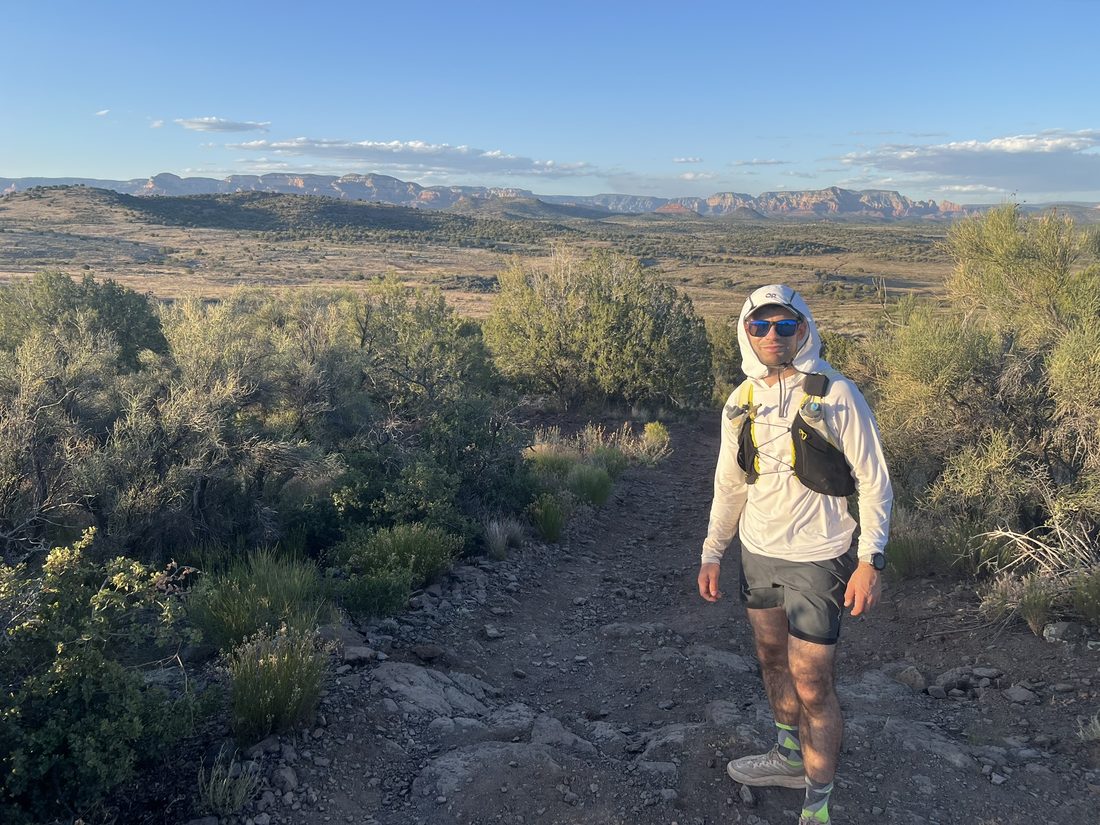
Cam Mueller in a sun hoodie and running vest on a desert trail with red rock mesas behind him

How I Coach

Every athlete gets a plan built for them. These are the principles behind it.

Built on Principles

Every plan follows evidence-based training principles, and I explain the reasoning behind each decision so you understand why your training looks the way it does.

Guided by Data and Feel

Decisions are personalized. I graph your training data over time, read it in the context of the whole body, and weigh it against how you feel, so no single number or gadget makes the call on its own.

Progression You Earn

Training steps up only when soreness, sleep, heart rate, and small niggles are all clear. I adjust the usual ten percent guideline to fit your history and tell you why.

Specific to Your Race

I compare the terrain and climbing of your goal race with what your training actually covers, then build the terrain, shoe, and pack work to close the gap.

The Whole Athlete

Strength, core work, mobility, daily steps, fueling, and sleep are planned alongside the running, because they decide whether the running holds up.

Honest Debriefs

Debriefs can happen weekly, after a race, or whenever they are needed. We look at what happened and what to change, including mistakes like going out too fast, and a setback becomes part of the plan.

Why I Coach

I built my own training the way I would want a coach to build it for me, with a reason behind every decision and honest feedback when something isn't working. Coaching is a way to give other athletes that same process.

I hold a bachelor's degree in Human Biology with an Exercise Physiology emphasis, and I'm completing my Doctor of Physical Therapy degree. That education keeps my coaching evidence-based and personalized, because no single plan fits every athlete, and it shapes how I think about load, tolerance, and injury risk. I've finished races from 50K to 100 miles and the Cocodona 250, and I train around school, exams, and clinical work, so I know what a packed schedule does to a plan.

Who It's For

Athletes preparing for a first 50-mile or 100-mile race, road runners moving onto trails and bigger climbs, and busy professionals with limited training time. If you want a plan that fits your actual life and a coach who responds, that is the kind of athlete I work best with.

What a Week Looks Like

Every plan is built around the athlete, so no two weeks are the same. This is one example of how a week can be arranged for someone in a build toward a long race.

This sample is only a starting picture. How a real week gets built depends on your life circumstances, including your work, family, and sleep, along with the race you are training for and the distance you are chasing. A 50K build and a 100-mile build look very different, and so does a week in a busy stretch at work. Your plan is adjusted as your life changes.

Monday
Weekly review. You get a plain-language read on last week, covering what went well, what to watch, and a clear next step. The new week's plan goes up the same day.
Tuesday
Quality session. Intervals, tempo, or hill work, scaled to where you are in the build.
Wednesday
Easy run and strength work. Low effort on the legs, with the strength session from your plan.
Thursday
Second quality session or an easy day. This depends on how Tuesday went and how the week's fatigue is adding up.
Friday
Rest or a short easy run. This is the day most athletes want to skip, and it is where the training gets absorbed.
Saturday
Long run. Fueling and pacing practice are built into it, so race-day decisions get rehearsed ahead of time.
Sunday
Recovery and check-in. An easy run or full rest, then a quick note to me on how the week felt.

Messages during the week get a reply within 24 hours, so a change in how you feel gets a response before it turns into a problem.

A Small Roster by Design

I'm also training for the Cocodona 250 and finishing school, so a small roster is the only way to give each athlete the attention the work requires. Every athlete gets a plan built for them, a weekly review with a plain-language read on how training is going and a clear next step, and direct communication when something changes.

The first athletes I take on will be founding clients. Founding clients work with me at a discounted rate while I build my coaching record, as a thank-you to the athletes who trust me with their training early. I'll share the rate when we talk.

Apply for Coaching

Tell me about your goals and I'll reply personally. Because I take so few athletes, applying starts a conversation and does not guarantee a spot. I reply to every application within 24 hours.

Coaching is training guidance. It is not physical therapy, and I do not diagnose or treat injuries or medical conditions. If you are dealing with pain or an injury, a licensed clinician should evaluate it.

Your details are used only to reply or send what you asked for. See the Privacy page.